Skip to content
Choosing the right siding for your home is a big decision—one that affects not just how your house looks but also how well it stands up to weather, aging, and even energy loss. With so many options out there, it’s easy to feel overwhelmed. That is why we have put together this guide on the most popular home siding materials, breaking down the pros, cons, and key factors to help you make a smart, confident choice.
Whether you are building new or replacing old siding, it is not just about picking something that looks good—it has to perform well, fit your budget, and withstand your local climate. As siding pros, we have worked with just about every material on the market and know how each one handles real-life conditions.
In this article, we will walk you through the top five siding choices—what they are made of, how they hold up, how much maintenance they need, and what kind of costs to expect. By the end, you will know exactly which siding option makes the most sense for your home and lifestyle. If you’re ready to give your home a durable, great-looking exterior, let’s get into it.
Vinyl Siding
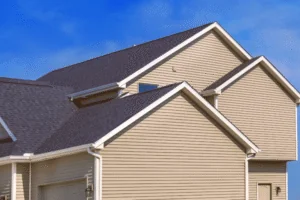
Vinyl siding is one of the most commonly used siding materials for homes and for good reason. It is budget-friendly, easy to install, and comes in various colors and profiles to fit almost any style of home.

Pros
The most significant advantage of vinyl siding is its affordability—it’s one of the least expensive siding options on the market. This option is also low-maintenance. You do not need to paint or seal the surface, as it can be cleaned with soap and water. Vinyl is available in many colors, textures, and styles, including options that mimic wood material.
This gives homeowners flexibility in achieving the desired look without the high maintenance. Additionally, vinyl is lightweight and relatively easy to install, which can help reduce labor costs. It is also resistant to pests and rots, making it a solid option for many climates.
Cons
Despite its benefits, vinyl siding does have some drawbacks. It can become brittle, crack in extremely cold temperatures, or warp in excessive heat. Over time, sun exposure may cause colors to fade, especially in darker shades. Vinyl doesn’t offer much insulation on its own, so if energy efficiency is a top priority, additional insulation may be needed.
It is a less refined look without the high-end appearance that some homeowners want. This is especially true when compared to fiber cement siding or natural wood. Lastly, replacing individual panels to match older material can be difficult if a section is damaged.
Fiber Cement
Fiber cement siding is a durable and versatile option that’s become increasingly popular among homeowners. Made from a mix of cement, sand, and cellulose fibers, it offers excellent performance and a high-end appearance that resembles natural wood.
Pros
One of the most significant advantages of fiber cement siding is its durability. It stands up well to harsh weather, resists insect damage, and is non-combustible—making it a smart choice for fire-prone areas. Homeowners also appreciate that it can closely resemble the look of real wood siding without the maintenance headaches. It does not warp or crack easily and holds paint much longer than traditional wood.
When comparing siding materials for homes, fiber cement often hits the sweet spot between performance and appearance, giving a long-lasting, attractive exterior that fits many architectural styles.
Cons
While fiber cement siding is challenging, it does come with higher upfront costs—both in materials and labor. It’s heavier than vinyl siding, which makes installation more time-consuming and expensive. Although it holds paint better than wood, it still requires repainting every 10–15 years to maintain its appearance.
Additionally, cutting and installing fiber cement requires special tools and safety precautions due to the silica dust it produces. It’s a significant investment if you want long-term durability and curb appeal, but you will need to factor in the added costs and upkeep over time.
Wood Siding
Wood siding remains a classic choice for homeowners who value natural beauty and timeless charm. This option is one of the most traditional home siding materials and is especially popular in historic or craftsman-style properties.
Pros
Wood is favored for its visual appeal and flexibility. It offers a rich, authentic look that is hard to replicate with other materials. Homeowners can choose from various species like cedar, redwood, or pine and customize the finish with stains or paints to match their style. It is also eco-friendly, mainly when sourced sustainably.
Repairs are typically easy—individual boards or shingles can be replaced without disturbing the entire structure. For those who prioritize curb appeal and a natural, customizable look, wood remains one of the most attractive siding materials for homes, even compared to modern options like vinyl or fiber cement siding.
Cons
The biggest drawback of wood siding is its high maintenance. It requires regular painting or staining to protect against weather damage and extend its lifespan. Without proper care, it’s prone to warping, rot, and cracking. This material choice can be vulnerable to termites and other pests, especially in humid or damp climates.
Unlike vinyl or fiber cement siding, wood doesn’t hold up as well over time without ongoing attention. If you are not ready for the upkeep, wood may become a costly and labor-intensive choice in the long run—even though it looks great when well maintained.
Metal Siding
Metal siding is a strong option for homeowners looking for durability and a modern appearance. Often made from aluminum or steel, metal is one of the more industrial-style siding materials for homes, and it is gaining popularity for its performance in extreme climates.
Pros
One of the most significant advantages of metal siding is its durability. It resists fire, pests, and rot, making it a wise choice in wildfire-prone or insect-heavy regions. It requires very little upkeep—no painting, staining, or sealing is needed—and it holds up well in wind, snow, and rain. Metal panels are also recyclable, making them an eco-conscious option.
Homeowners who want low-maintenance siding with a clean, modern look often choose metal for residential and commercial properties. Compared to high-maintenance options like wood siding, metal stands out for its longevity and ease of care.
Cons
Despite its strengths, metal siding has a few notable downsides. It can dent easily from hail, tree limbs, or other impacts, especially if made from aluminum. Over time, untreated or scratched areas may be rust-prone, particularly in humid or coastal environments. Metal also expands and contracts with temperature changes, which can create noise or stress on fasteners if not installed correctly.
While it’s more durable than vinyl siding and has lower maintenance than wood siding, the industrial look may not appeal to every homeowner. When using metal for your home’s siding, remember it is best suited for specific design styles and climates.
Brick and Stone Veneer Siding
Brick and stone veneer siding offers a timeless, upscale, durable look. Unlike full masonry, veneer is a thinner, more affordable alternative that provides the appearance of solid brick or stone without the structural weight and cost.

Pros
The biggest advantage of brick and stone veneer siding is its long-lasting performance. It resists fire, pests, moisture, and severe weather better than many other materials. It requires very little maintenance—no painting or sealing needed—and offers a high-end aesthetic that boosts curb appeal and resale value.
Veneer can also be used as an accent feature alongside other siding types, giving you design flexibility. Its durability and classic appearance make it a solid investment for homeowners who want a low-maintenance exterior that holds up over time and complements both traditional and modern home styles.
Cons
The main downside of brick and stone veneer siding is the upfront cost. It’s one of the more expensive siding options regarding materials and labor. The product’s weight may also require additional structural support or reinforced framing, especially for older homes that are not designed for heavier siding.
Installation must be done correctly to prevent moisture from getting behind the veneer. It’s not a DIY-friendly material, and repairs can be more complicated than those for vinyl or wood siding. While it pays off in durability, it is a bigger investment from the start and that can impact its appropriateness in certain situations.
Choose the Right Siding for Your Home
Choosing the right siding comes down to your budget, climate, and how much time you’re willing to spend on maintenance. Vinyl siding is affordable and low maintenance. Fiber cement offers great durability and curb appeal. Wood siding brings classic charm but requires upkeep. Metal siding holds up well but can dent, and brick or stone veneer adds value but comes at a higher price. There is no one-size-fits-all solution—what works for a coastal home might not suit a mountain cabin. Take the time to evaluate your needs and get expert advice before committing to any material.
Final Thoughts on Home Siding Choices
Need help choosing or installing siding? Contact Coastal Roof Experts – South Shore Roofing today for expert recommendations and quality installation that fits your home, budget, and local conditions.
Now that you know the strengths and weaknesses of each siding option, this is the perfect time to take the next step. Whether you are leaning toward the affordability of vinyl, the resilience of fiber cement, the charm of wood, the sleekness of metal, or the timeless appeal of brick and stone veneer, choosing the right material starts with expert guidance.
Don’t leave such an important decision to guesswork—reach out to a trusted siding professional today. We’re here to help you find the perfect fit for your home, budget, and lifestyle. Let’s make your vision a reality—beautifully and built to last. Call today to get started!
FAQs
1. What is the most low-maintenance siding option?
Vinyl siding is one of the lowest-maintenance choices. It doesn’t require painting or sealing and only needs occasional cleaning with water and mild soap.
2. Is fiber cement siding worth the cost?
Fiber cement siding offers excellent durability, weather resistance, and a wood-like appearance. It’s a long-term investment that performs well in harsh climates and holds up better than many alternatives.
3. Can I install wood siding in humid climates?
You can, but it will require regular sealing and maintenance. Wood is prone to moisture damage and rot if not adequately protected in damp or humid environments.
4. How long does metal siding last?
Metal siding can last 40–70 years with minimal upkeep. It’s resistant to fire, insects, and weather but can dent or rust if not maintained or installed correctly.
5. Do stone veneer and brick siding increase home value?
Yes, both materials add strong curb appeal and long-term durability. They’re considered premium upgrades and can improve resale value, especially when installed professionally and maintained well.